An Overview of Server Types
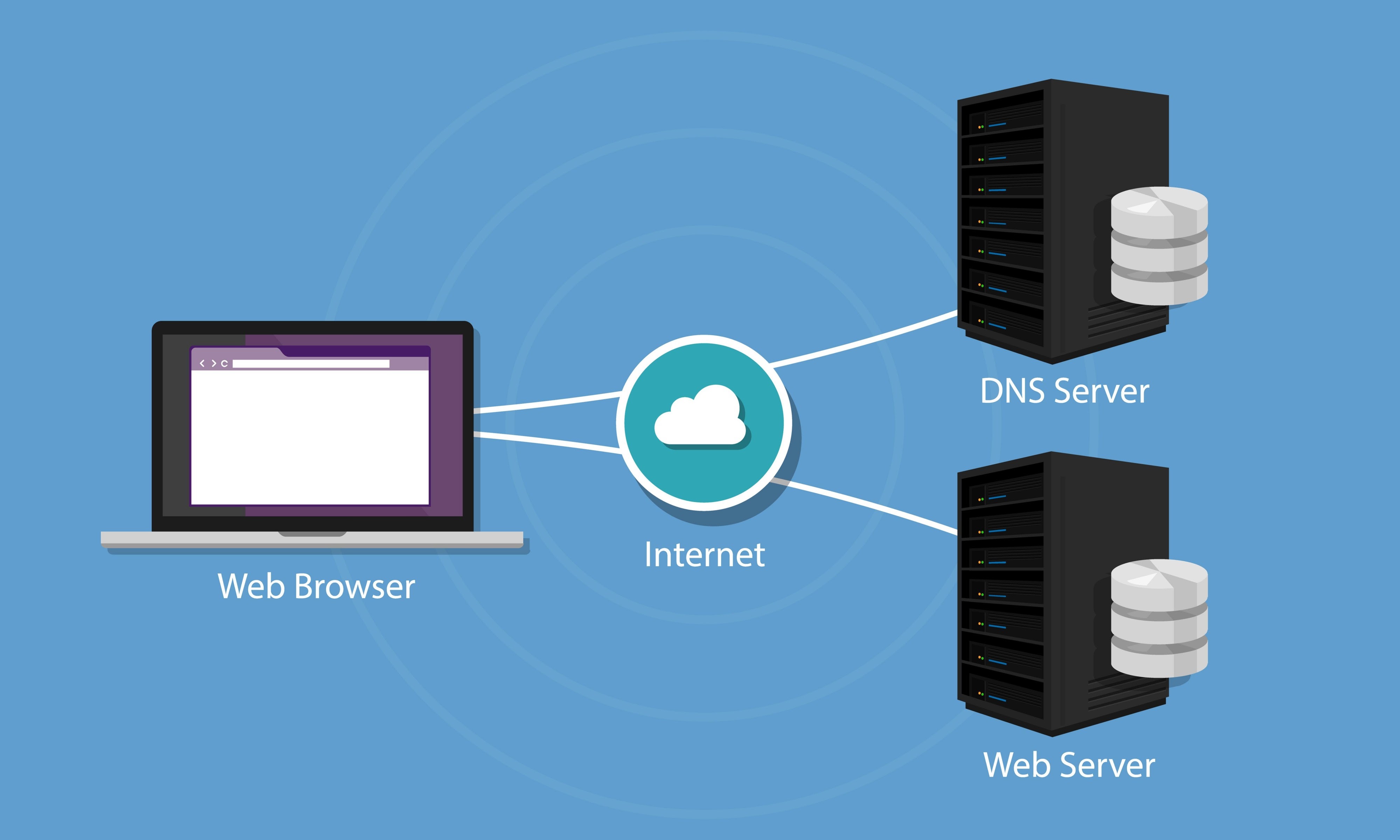
Servers are the unsung heroes of the digital world, acting as powerful, centralized resources that manage, store, and provide data and services to client devices (like your desktop, laptop, or phone). Understanding the different types of servers is crucial for anyone working in IT, networking, cloud computing, or web engineering. This article breaks down the most common server types based on their function. 1. Web Servers The primary role of a web server is to store, process, and deliver web pages to users. When you type a URL into your browser, the web server processes that request using the HTTP protocol. Key Characteristics: Protocols: Primarily uses HTTP and HTTPS. Examples: Apache HTTP Server, Nginx, Microsoft IIS, and LiteSpeed. Application: Hosting websites, web applications, and APIs. 2. Application Servers An application server acts as a middleman between the web server and the database server. It handles the dynamic processing and execution of application logic and business rules before delivering the content back to the user. Key Characteristics: Role: Runs complex applications, performs calculations, and manages user state (sessions). Examples: Apache Tomcat (for Java), JBoss, Oracle WebLogic. Application: E-commerce platforms, complex enterprise resource planning (ERP) systems, and content management systems (CMS). 3. Database Servers A database server stores, manages, and retrieves data as requested by applications or other servers. It uses a Database Management System (DBMS) to ensure data integrity, security, and consistent access. Key Characteristics: Role: Centralized data storage and management. Examples: MySQL, PostgreSQL, Microsoft SQL Server, and MongoDB. Application: Managing user accounts, transaction histories, product inventories, and any structured data. 4. File Servers File servers are dedicated to storing and managing files (documents, images, videos) and providing access to these resources for client devices over a network. Key Characteristics: Role: Centralized repository for shared data, facilitating collaboration and backup. Protocols: Uses protocols like Server Message Block (SMB), Network File System (NFS), and FTP. Application: Corporate network storage, shared drives, and cloud storage synchronization services. 5. Mail Servers Mail servers manage the storage and transfer of electronic mail. They use specialized protocols to ensure emails are sent from one user to another reliably. Key Characteristics: Uses Simple Mail Transfer Protocol (SMTP) for sending, and Post Office Protocol 3 (POP3) or Internet Message Access Protocol (IMAP) for receiving. Application: Handling all organizational email traffic, filtering spam, and managing user inboxes. 6. DNS (Domain Name System) Servers DNS servers translate human-readable domain names (like sinaacademy.edu) into machine-readable IP addresses (like 192.0.2.1). This is essential for navigating the internet. Key Characteristics: Role: The "phonebook" of the internet. Without it, you would have to type IP addresses. Protocols: DNS protocol. Application: All internet connectivity and name resolution. 7. Proxy Servers A proxy server acts as an intermediary between a client and another server. It can be used for various purposes, including enhancing security, filtering content, or caching data to improve performance. Key Characteristics: Role: Filters and forwards requests. Can be used as a security layer (firewall) or for anonymous browsing. Types: Forward proxy (for clients to access the internet) and Reverse proxy (for servers to protect their network). 8. Virtual and Cloud Servers These are not defined by a single function but by their infrastructure method. A virtual server runs on virtualized hardware on a single physical machine. A cloud server is a virtual server hosted by a third-party cloud provider (like AWS, Azure, or GCP). Key Characteristics: Role: Offers scalability, elasticity, and often pay-as-you-go pricing. They perform any of the functions listed above (Web, App, DB, etc.). Technology: Hypervisors (for virtualization) and API management (for cloud). Application: Modern scalable web applications, disaster recovery, and large-scale data processing. To conclusion, From the visible website you interact with to the unseen database that stores your account information, servers are integral to every layer of digital interaction. A solid understanding of these server types is foundational for any technology professional seeking to design, build, or maintain modern digital systems.